
Skills That Will Be Valuable for the Next 5 Years
Introduction
In today’s fast-paced world, technology, globalization, and
changing business dynamics are transforming the skills
required to succeed in the workplace. Professionals who
want to remain relevant must not only adapt to these
changes but also proactively develop the skills that will be in
high demand over the next five years. Whether you are a
student, a recent graduate, or an experienced professional,
investing time in learning the right skills can be a
game-changer for your career.
Here’s a detailed look at the skills that will be highly
valuable in the coming years:
1. Digital Literacy and Technology Skills
The rapid advancement of technology means that almost every industry is now tech-driven. Understanding digital tools, software, and emerging technologies will be critical.
        ● AI and Machine Learning: Artificial intelligence is
          reshaping industries like healthcare, finance, and
          marketing. Professionals who understand AI, ML
          algorithms, and data analysis will have a significant
          advantage.

        ● Data Analytics: Data-driven decision-making is
          becoming essential. Skills in data visualization tools like
          Tableau, Power BI, or Excel, and knowledge of data
          analysis and interpretation, will remain in high demand.

        ● Cloud Computing: Cloud services like AWS, Microsoft
          Azure, and Google Cloud are now integral to modern
          businesses. Expertise in cloud infrastructure and
          management will continue to grow in importance.

        ● Cybersecurity: With increased digitalization comes
          greater risk of cyber threats. Skills in cybersecurity,
          ethical hacking, and IT security management are
          crucial to protect business data.
Key Insight: Even non-technical professionals can benefit
from basic digital literacy. Being comfortable with tech tools
and online collaboration platforms can significantly improve
efficiency and career prospects.
2. Creativity and Innovation
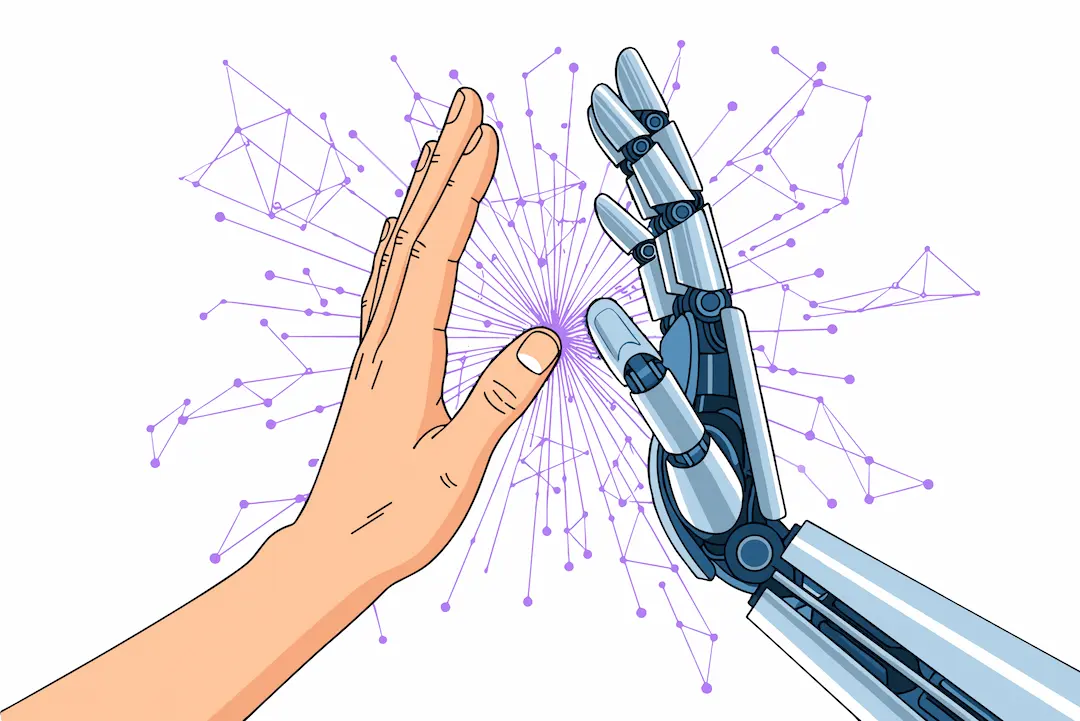
Automation and AI are taking over repetitive tasks, making creativity a uniquely human skill that machines cannot easily replicate.
        ● Problem-Solving and Critical Thinking: Innovative
          thinkers who can approach challenges differently are
          highly valuable. Employers increasingly seek
          individuals who can propose unique solutions rather
          than just follow instructions.

        ● Design Thinking: This methodology focuses on
          understanding customer needs and developing
          innovative solutions. Professionals familiar with design
          thinking can drive product innovation and improve user
          experiences.

        ● Content Creation: Digital content, including video,
          social media, blogs, and podcasts, is in high demand.
          Creative individuals who can engage audiences through
          compelling storytelling will remain highly employable.
Key Insight: Creativity is not limited to art or design. It
applies to strategy, operations, marketing, and even
leadership. Continuous creative problem-solving is a skill
that will be essential in any role.
3. Emotional Intelligence (EI) and Interpersonal Skills
While technical skills are important, soft skills such as emotional intelligence, communication, and collaboration are becoming equally crucial.
        ● Emotional Intelligence: Understanding your emotions
          and empathizing with others can improve teamwork
          and leadership. EI helps manage conflicts and fosters
          positive workplace culture.

        ● Communication Skills: Clear communication, both
          written and verbal, is vital. Professionals must convey
          ideas effectively, present data insights, and engage
          stakeholders.

        ● Collaboration: Remote and hybrid work models
          demand strong teamwork skills. Being able to work
          effectively across teams and cultures will set
          professionals apart.
Key Insight: Companies are recognizing that human-centric
skills like empathy, active listening, and adaptability are
essential for sustaining long-term organizational success.
4. Adaptability and Lifelong Learning
Change is the only constant in today’s professional world. The ability to adapt to new situations, technologies, and roles will be a key determinant of career success.
        ● Upskilling and Reskilling: Employees must
          continuously update their skill set to remain relevant.
          Platforms like Coursera, Udemy, and LinkedIn
          Learning offer opportunities to learn new technologies
          and methodologies.
        ● Agility: Agile thinking allows professionals to respond
          quickly to changing market conditions and business
          needs. Agile project management and iterative
          problem-solving are in high demand.
        ● Resilience: The ability to bounce back from failures or
          setbacks is essential. Resilient professionals maintain
          productivity and motivation, even in uncertain
          environments.
Key Insight: Being proactive in learning and embracing
change ensures career growth and stability in the
ever-evolving job market.
5. Data-Driven Decision-Making
Businesses increasingly rely on data to make informed decisions. Professionals who can interpret and use data effectively will have a competitive edge.
        ● Data Literacy: Understanding data, trends, and
          patterns is vital for business analysis. Professionals
          should learn how to use tools like Excel, SQL, or Python
          for data manipulation.
        ● Predictive Analytics: Anticipating future trends using
          data insights can guide strategy and reduce risks.
          Knowledge of predictive analytics and AI-driven
          forecasting will be highly valued.
        ● Business Intelligence: Professionals who can translate
          complex data into actionable insights help organizations
          make smarter decisions.
Key Insight: Data literacy is becoming a universal skill. Even
roles not traditionally associated with data, like marketing
or HR, are leveraging analytics for better results.
Conclusion
The next five years will witness rapid technological, social, and economic changes. Professionals who cultivate a combination of technical skills, creativity, emotional intelligence, adaptability, and sustainability awareness will be best positioned to thrive.
        To remain competitive, it’s crucial to:
            1. Embrace continuous learning.
            2. Focus on both hard and soft skills.
            3. Leverage technology while retaining human-centric
               skills like empathy and creativity.
            4. Develop a mindset geared toward adaptability,
               innovation, and sustainability.
Investing in these skills is not just about staying
employed—it’s about staying ahead, contributing
meaningfully, and unlocking opportunities in a world where
change is the only constant.